
Saudi Ministry Of Health Healthcare Portal
Healthcare Digital Transformation Case Study
Ministry of Health, Saudi Arabia – Large‑Scale Healthcare Portal
Modernization & Feature Engineering
Executive Summary
Over a 3.5‑year long‑term technology partnership, Nuance Infotech collaborated with the Ministry of Health (MoH), Saudi Arabia to modernize, extend, and continuously enhance one of the country’s most critical national healthcare digital platforms.
Rather than a greenfield build, this engagement focused on enterprise‑grade feature engineering, system upgrades, and modular expansion of an existing healthcare portal serving patients, doctors, hospitals, pharmacies, suppliers, and government administrators.
The outcome was a highly scalable, secure, and performance‑optimized healthcare ecosystem, capable of supporting complex medical workflows, nationwide adoption, and continuous innovation—without compromising system stability or user trust.
Client & Product Overview
- Client: Ministry of Health, Saudi Arabia (Government Healthcare Authority)
- Product: National Healthcare Services Portal
- Public: https://www.moh.gov.sa/en/eservices/pages/personal.aspx
- Industry: Healthcare IT, Government Digital Services
- Target Users: Patients, Doctors, Nurses, Hospital Staff, Pharmacy Teams, Suppliers, Admins
- Geography: Saudi Arabia (Nationwide)
- Engagement Duration: 3.5 Year
The MoH healthcare portal acts as a centralized digital backbone for healthcare delivery in Saudi Arabia— integrating clinical services, hospital operations, logistics, pharmacy management, and citizen‑facing healthcare services at scale.
Service:
Web Portal Design & Development
Industry:
Healthcare / Government
Country:
Saudi Arabia
Partnership period:
2022 to 2024
Our Task
The Saudi Ministry of Health approached us to redesign and modernize their healthcare portal to serve as a unified digital gateway for citizens, residents, and healthcare stakeholders. The objective was to improve accessibility, usability, and service discoverability while aligning with national digital government standards and Vision 2030 initiatives.
Our Solution
We delivered a scalable, user-centric healthcare portal with bilingual support (Arabic & English), intuitive navigation, and structured service architecture. The solution unified multiple health services, departments, and information resources into a single platform, ensuring seamless access, improved user experience, and compliance with accessibility and e-government best practices.
Goals & Objectives
Nuance Infotech deployed a dedicated healthcare engineering team that worked as an extension of the Ministry’s internal IT unit.
Business & Healthcare Objectives
- Continuously expand healthcare services digitally
- Improve operational efficiency across hospitals and clinics
- Reduce dependency on fragmented development vendors
- Ensure stable, bug‑free releases for critical healthcare workflows
Technical Objectives
- Build a modular, extensible healthcare architecture
- Improve system performance and scalability
- Standardize development, testing, and deployment processes
- Support healthcare coding standards (CPT, HCPCS)
Success Metrics
- Zero critical production outages
- On‑time delivery of feature releases
- Reduced bug‑fix cycles and rework
- High adoption of newly launched healthcare modules
Solution Architecture & Delivery Approach
Nuance Infotech deployed a dedicated healthcare engineering team that worked as an extension of the Ministry’s internal IT unit.
Delivery Model
- Long‑term dedicated team model
- Agile sprint‑based execution with controlled releases
- Feature isolation to avoid system‑wide regressions
- Rigorous QA and regression testing before deployment
Technology Stack & System Design
Nuance Infotech deployed a dedicated healthcare engineering team that worked as an extension of the Ministry’s internal IT unit.
Architecture
- HTML5, SASS
- Vue.js for component‑based UI architecture
- Optimized rendering for high‑traffic public services
Backend Architecture
- Laravel (MVC‑based enterprise backend)
- MySQLi with optimized indexing and relational integrity
- RESTful APIs for inter‑module communication
Cloud & Infrastructure
- AWS (EC2, RDS, Load Balancing, Auto Scaling)
- High‑availability deployment architecture
- Secure environment separation (dev, staging, production)
Security & Healthcare Standards
- OAuth‑based authentication & authorization
- Role‑based access control (RBAC)
- CPT (Current Procedural Terminology) integration
- HCPCS (Healthcare Common Procedure Coding System)
- Secure data transmission and access logging
Healthcare & System Challenges
As national healthcare demand grew, the Ministry required continuous enhancement of an already live, mission‑critical platform. The challenge was not rebuilding—but evolving a complex healthcare system without downtime, regressions, or operational risk.
Feature Scalability in a Live System
- Continuous addition of new healthcare services without disrupting existing workflows
- Backward compatibility for millions of existing users
- Managing dependencies across clinical, operational, and administrative modules
Complex Multi‑Stakeholder Workflows
- Patient ↔ Doctor ↔ Hospital ↔ Pharmacy ↔ Supplier interactions
- Inter‑module data consistency across medical records, billing, logistics, and reporting
Long‑Term Maintainability
- Avoiding technical debt in a rapidly expanding healthcare platform
- Ensuring clean code standards and modular architecture over multi‑year delivery
- Cross-domain integrations
Reliability & Performance at National Scale
- Handling peak concurrent usage during vaccination drives and public health initiatives
- Ensuring consistent response times for patient‑critical services
Stakeholders Impacted
- Patients: Access to healthcare services, records, tests, medicine delivery
- Doctors & Medical Staff: Accurate data, reduced administrative overhead
- Hospital Administrators: Staff scheduling, billing, operational visibility
- Government Authorities: Supplier management, compliance, reporting, and analytics

Wireframing & UX Foundation
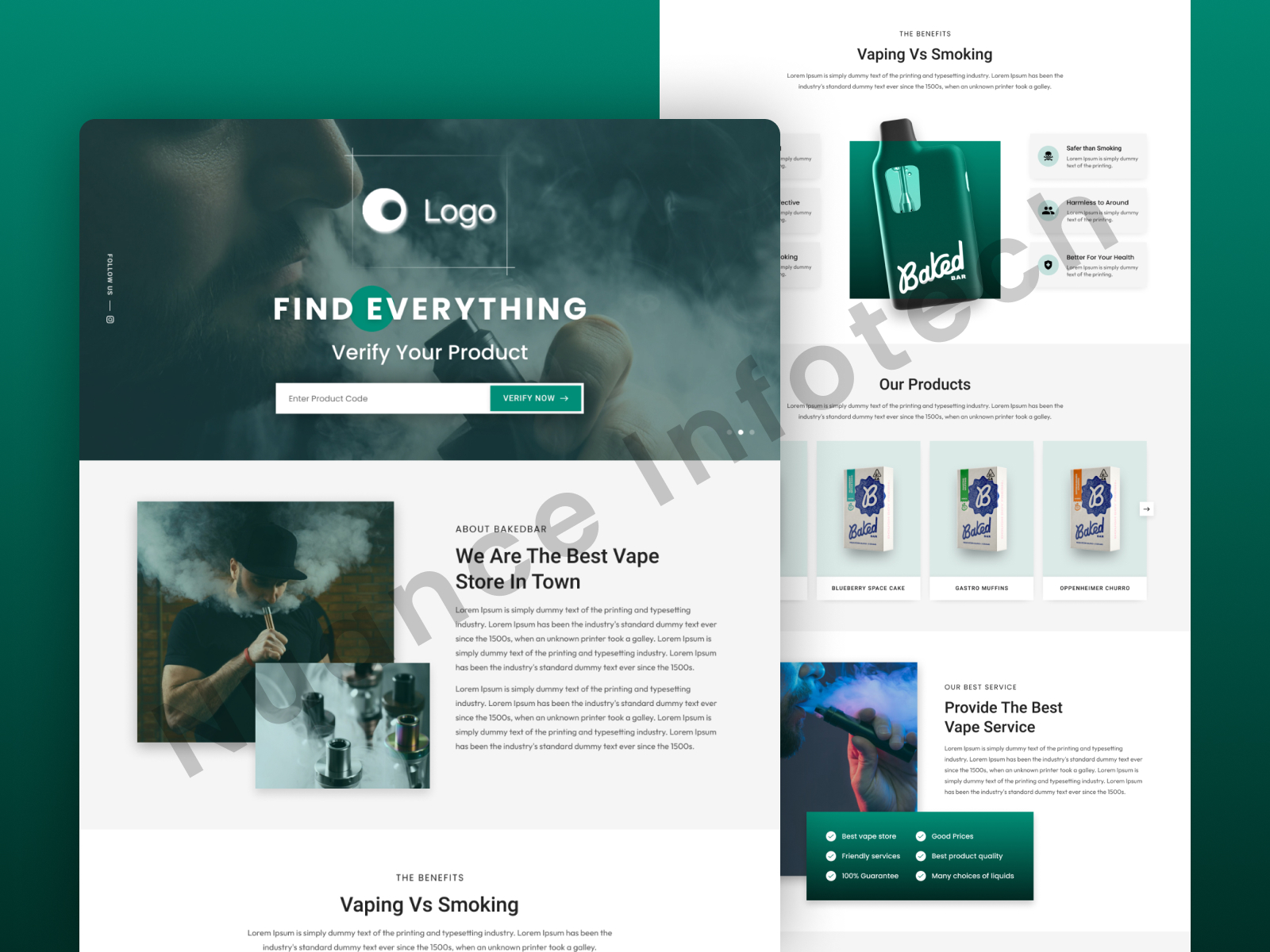
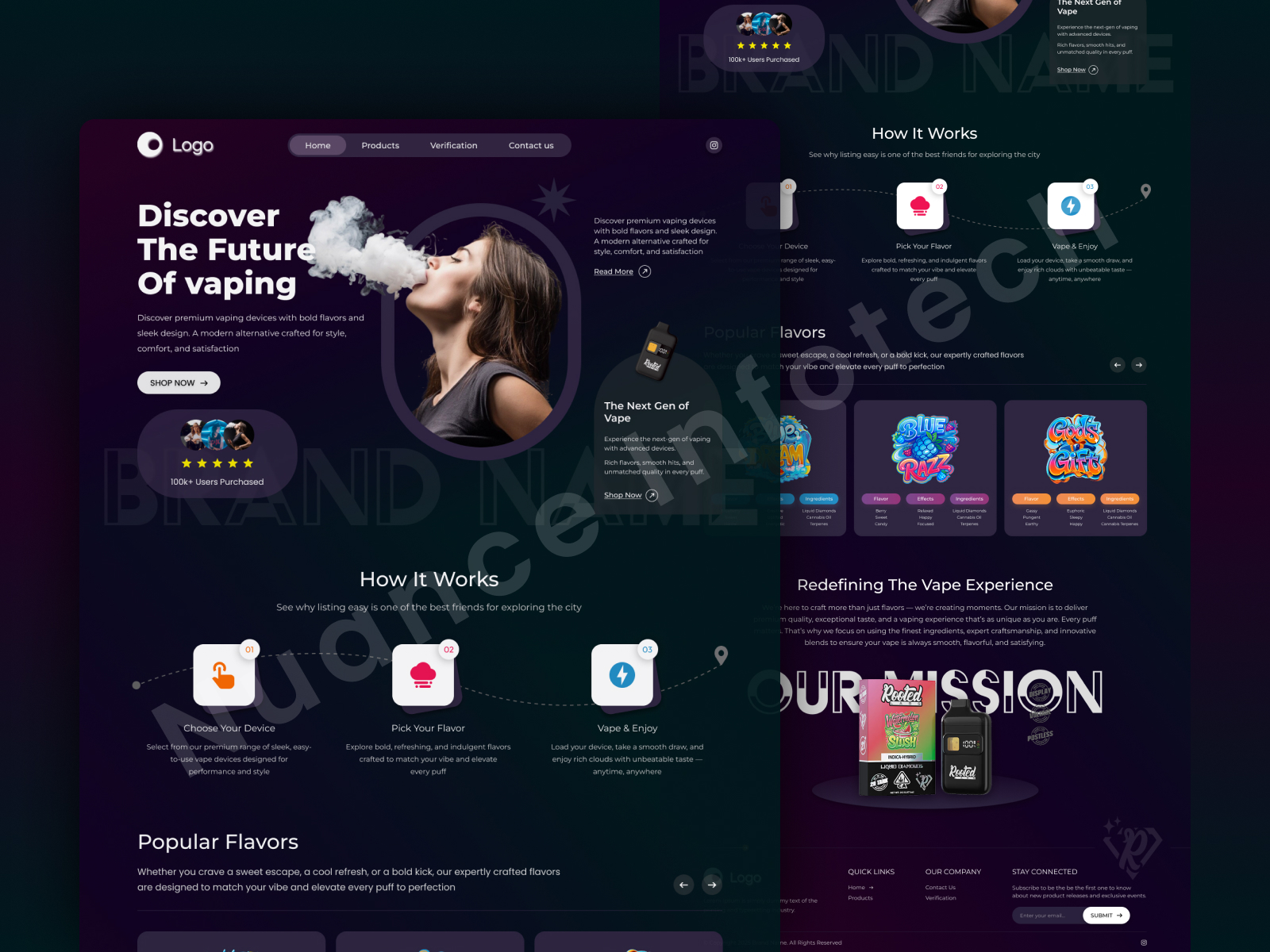
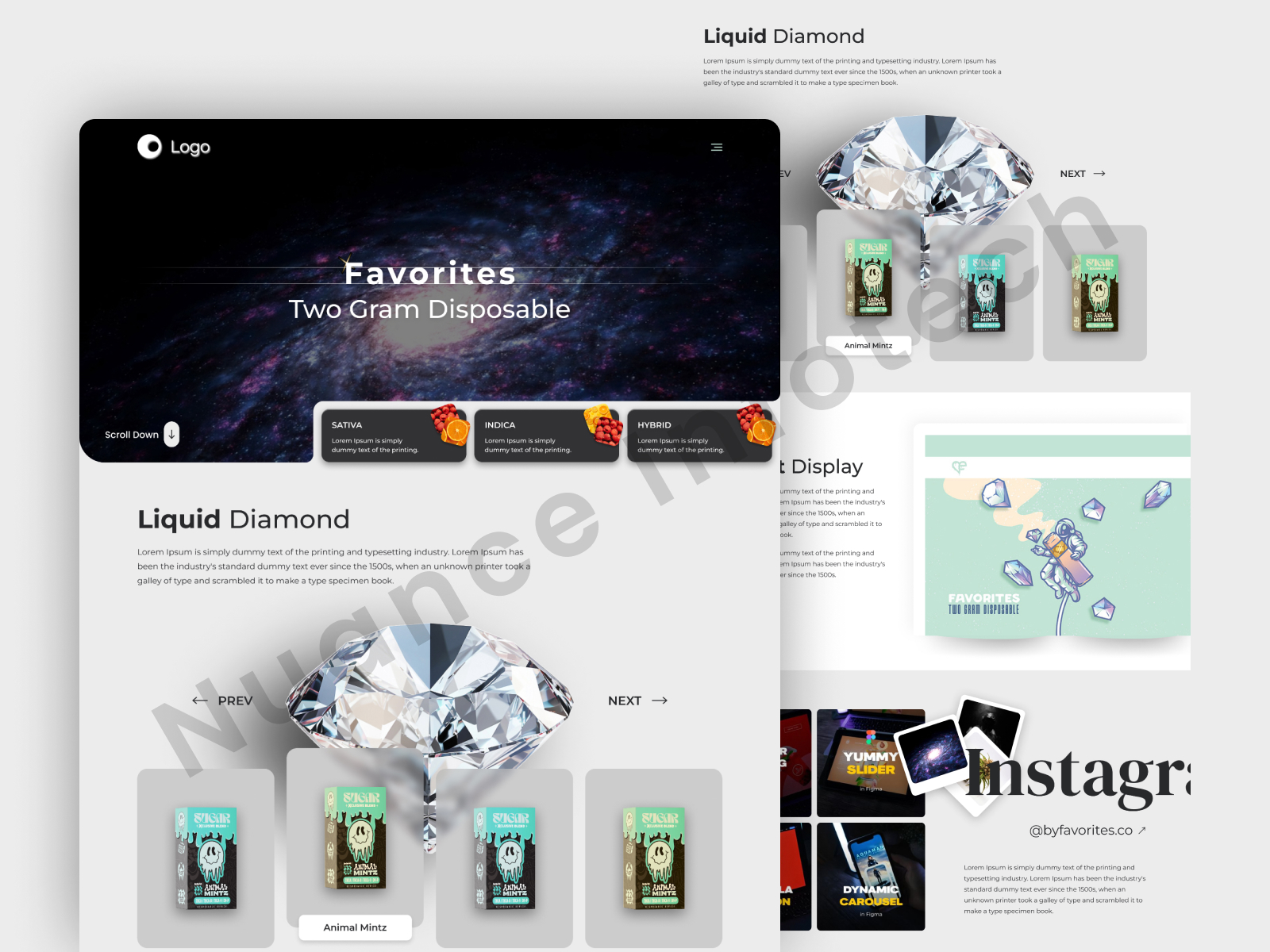
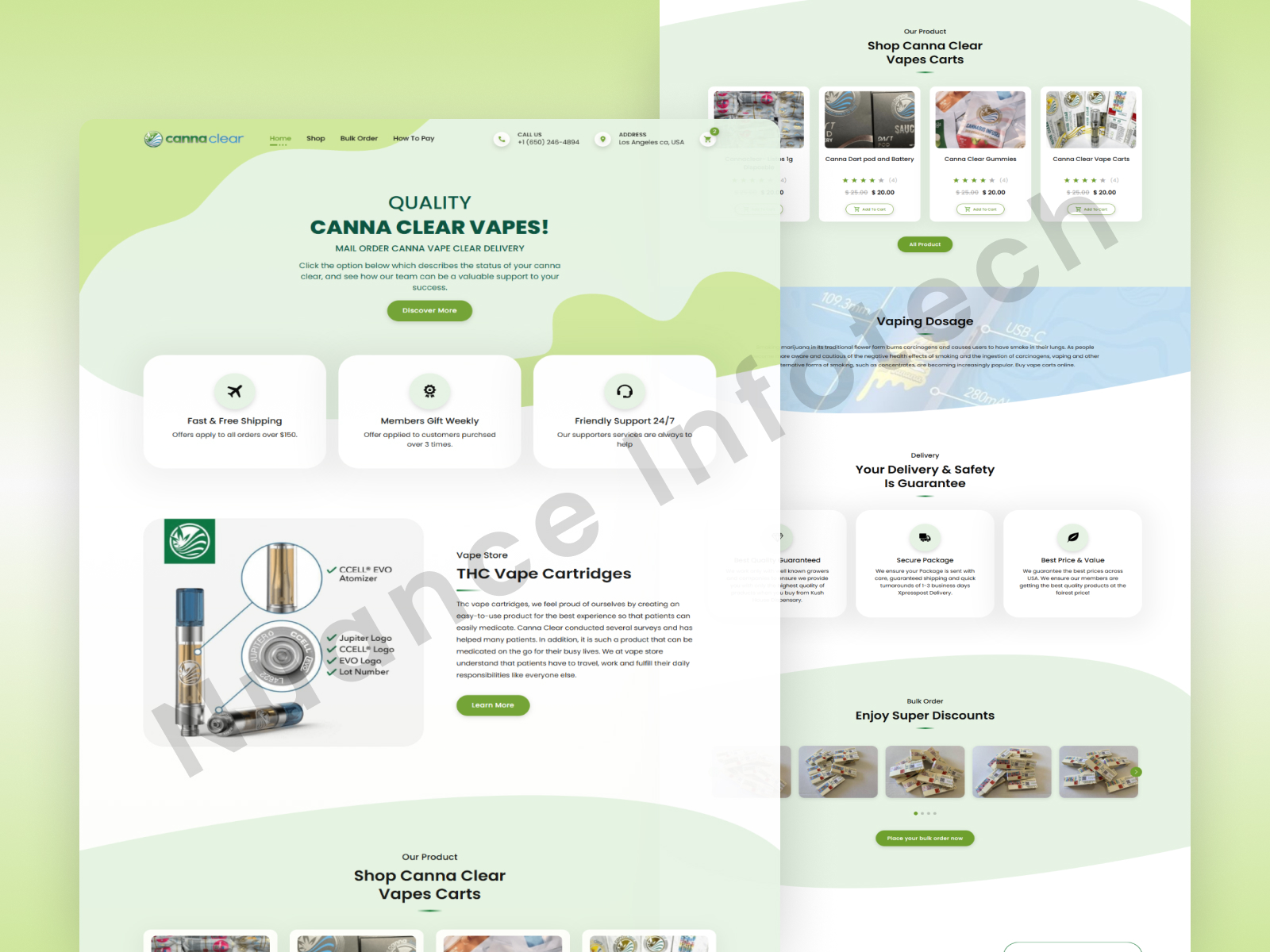
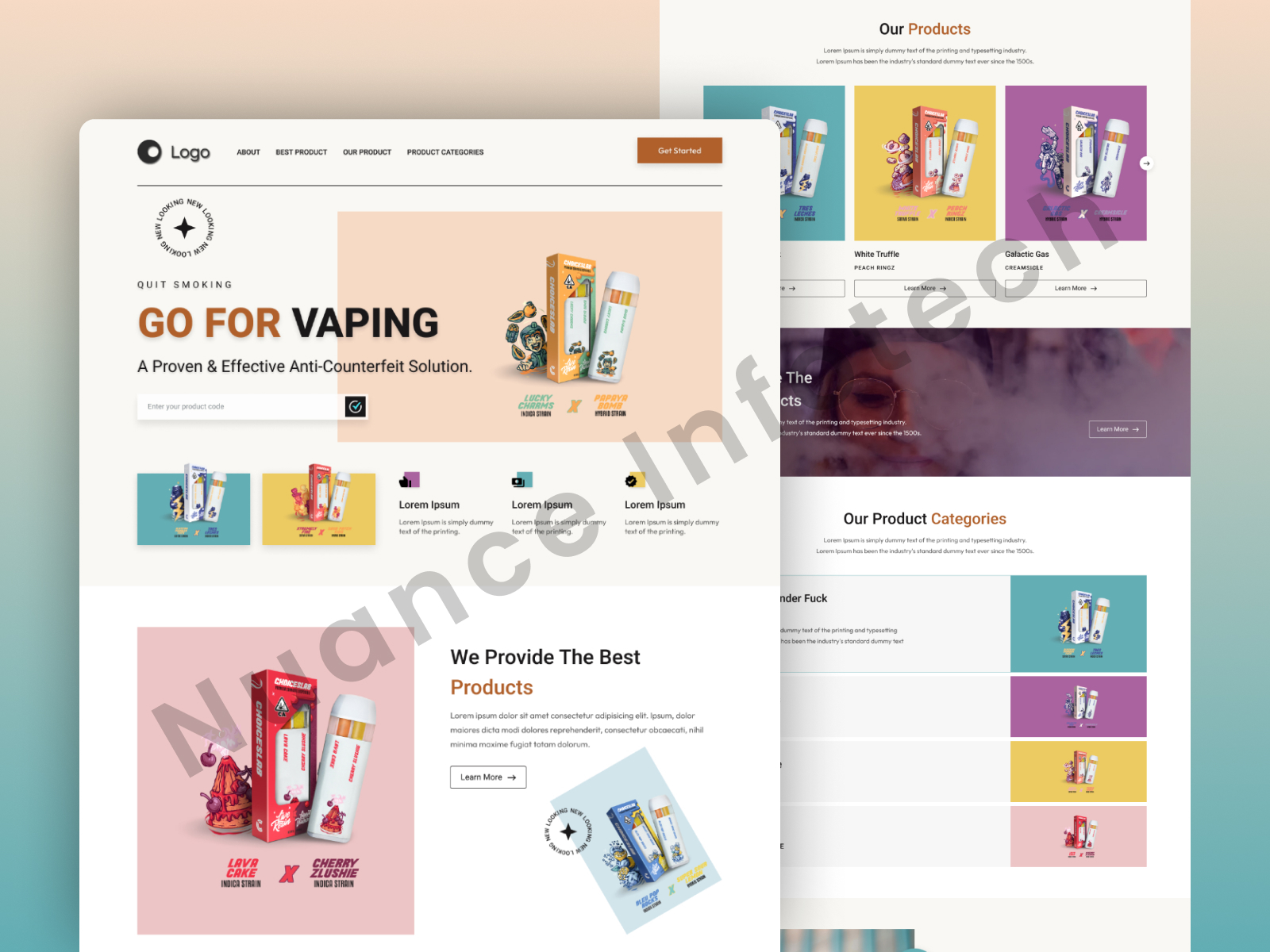
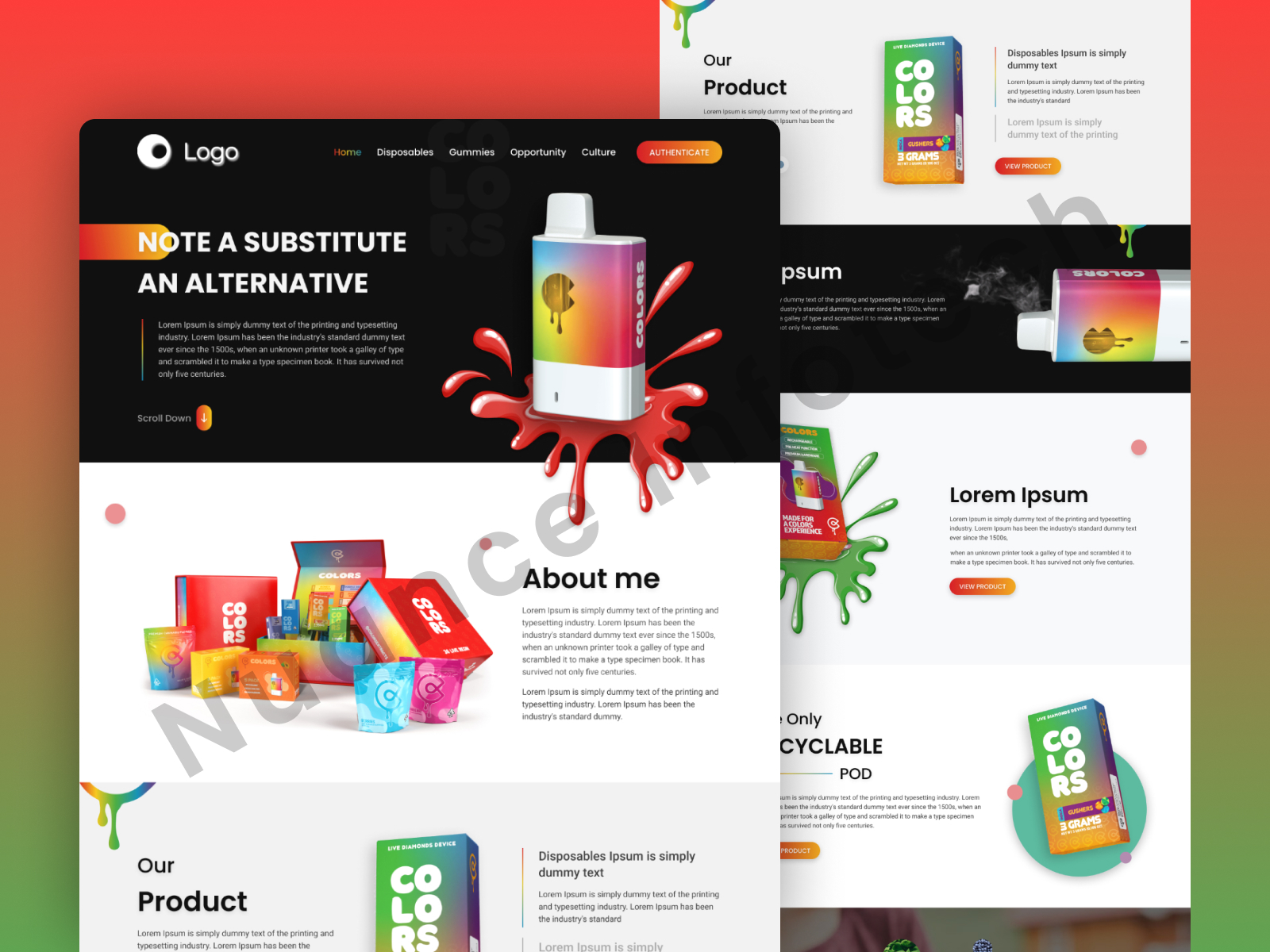
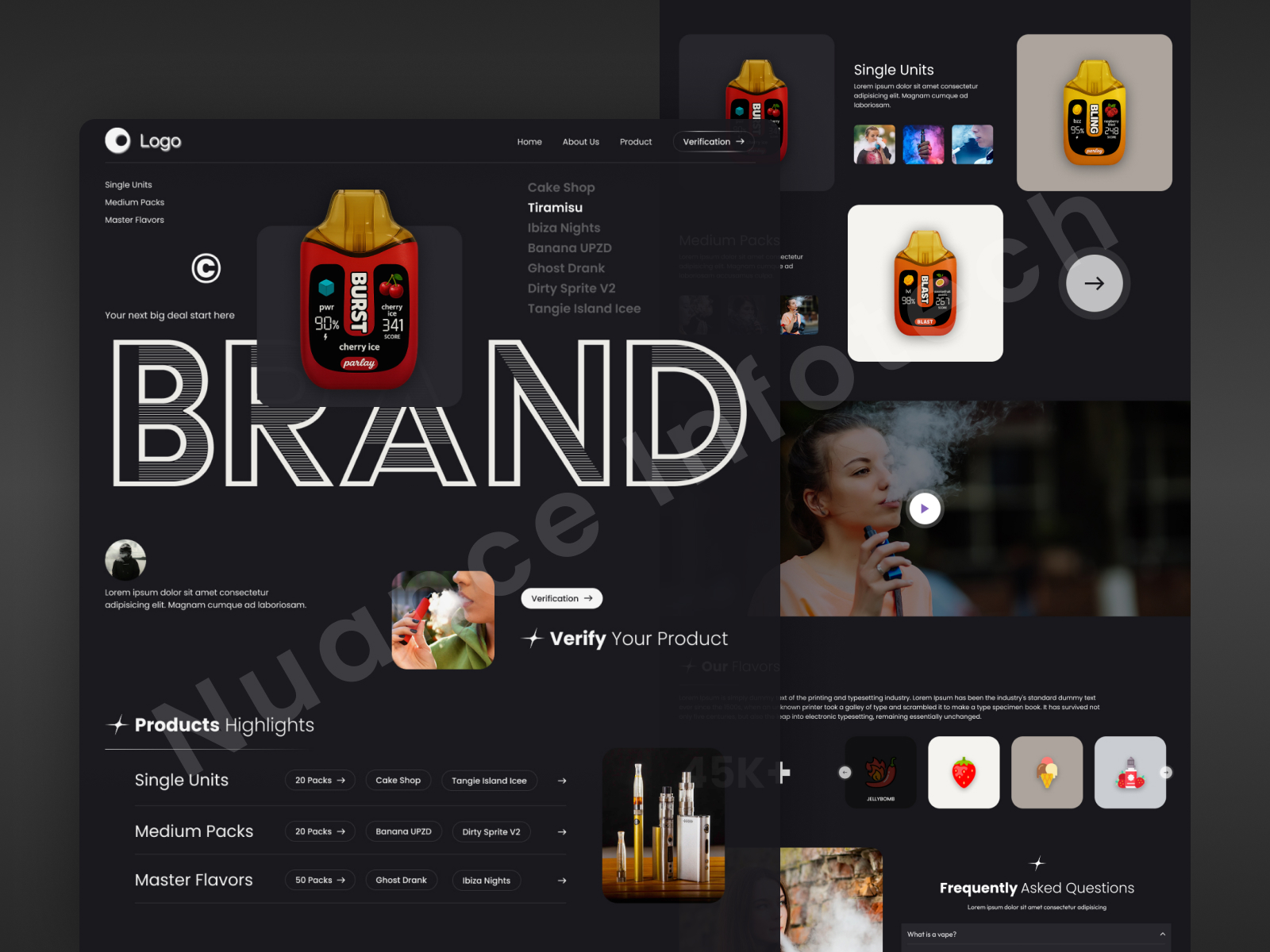
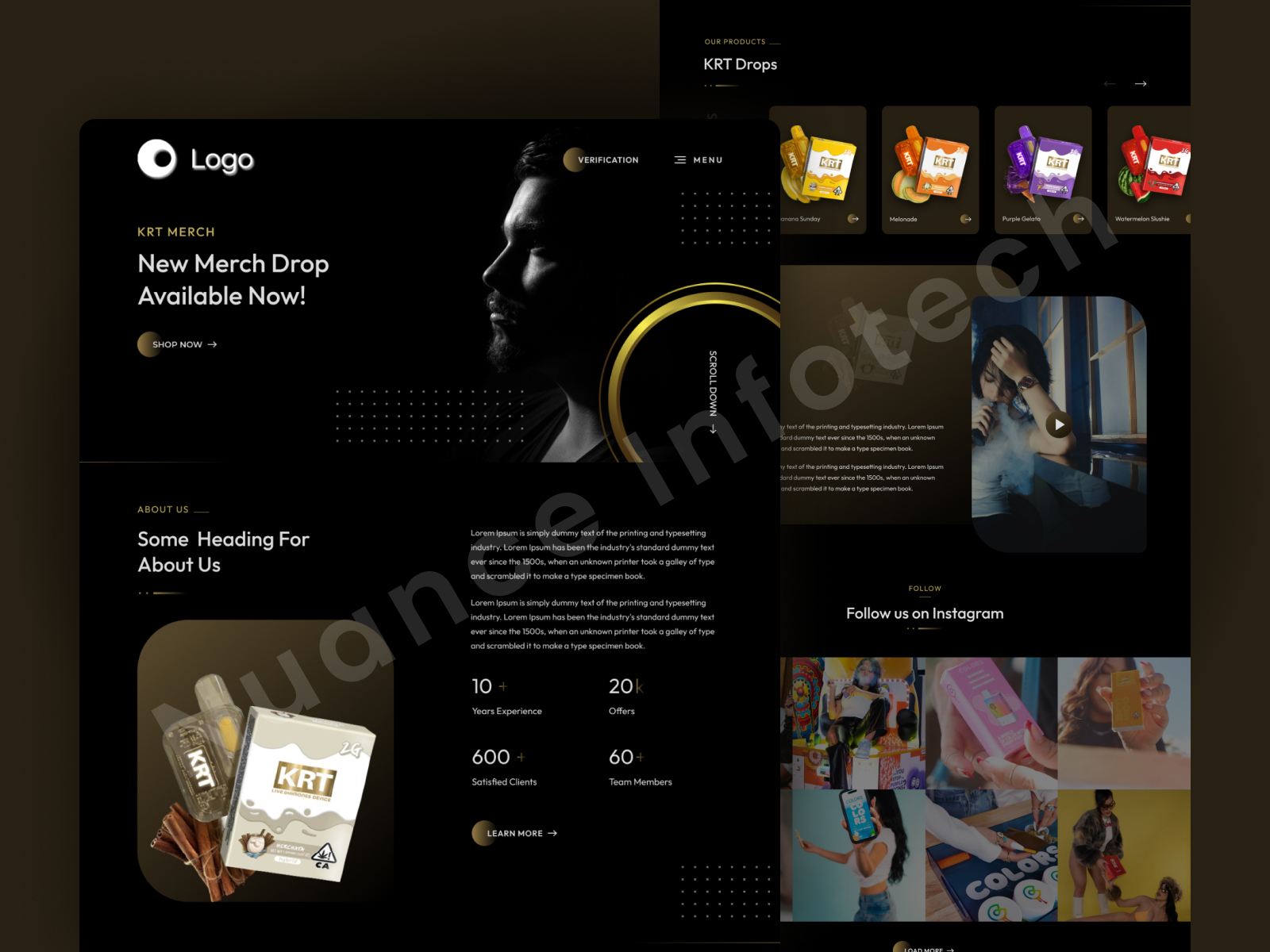
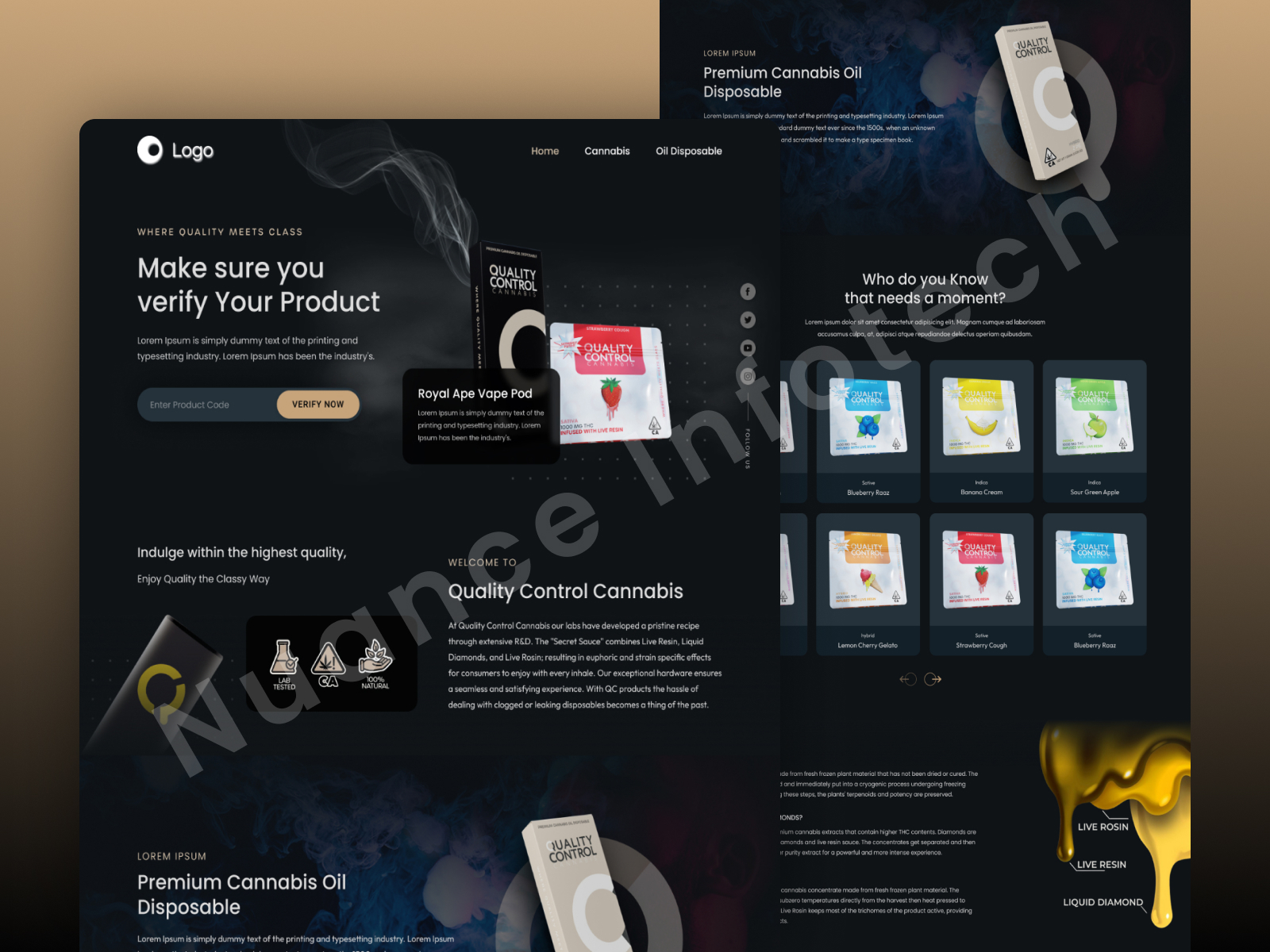
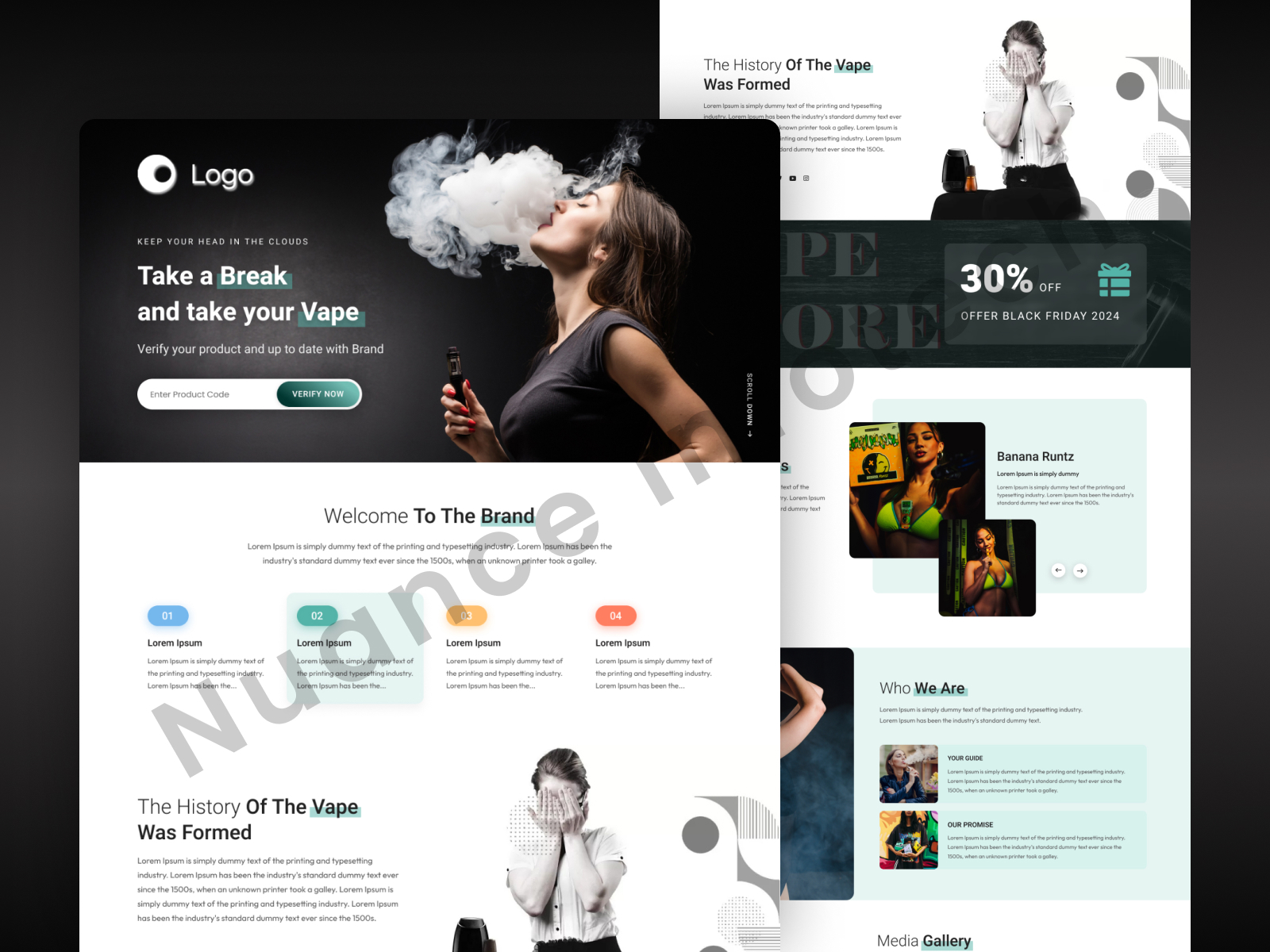
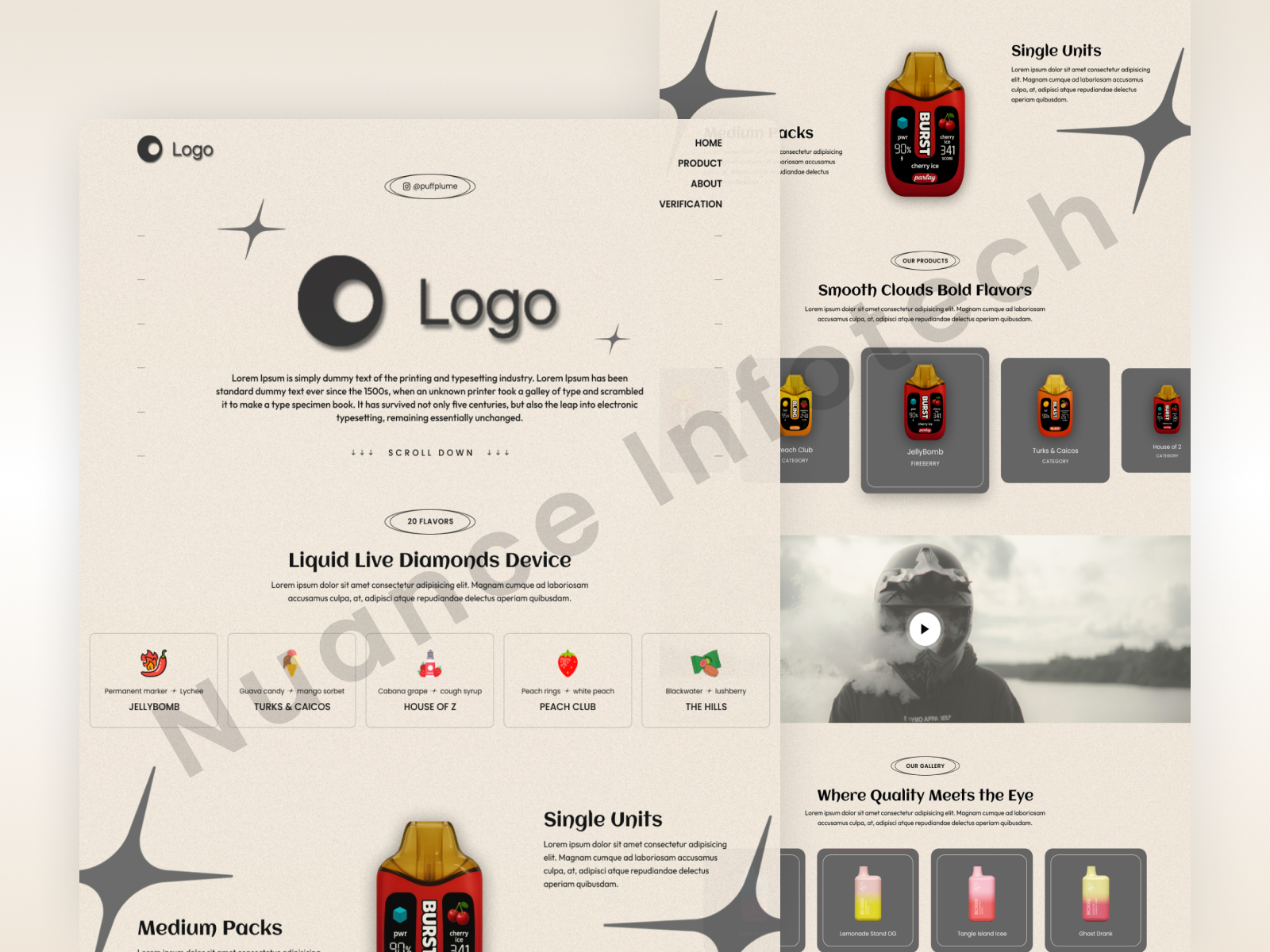
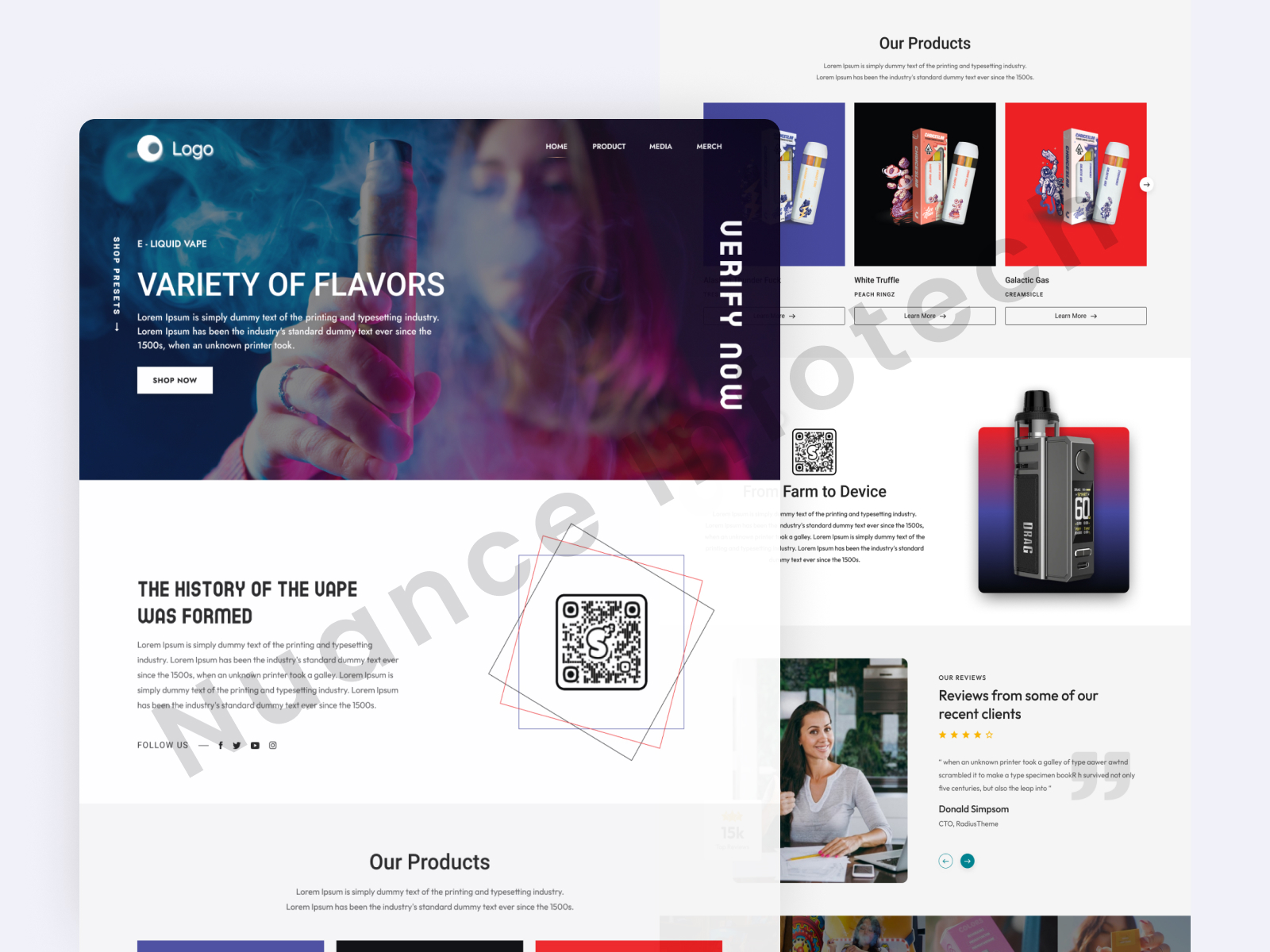
Before every build, wireframes were created to visualize structure, content flow, and CTA placement. This minimized redesign cycles and ensured clarity between teams from day one.
Key Features Delivered Across Projects
| Feature | Description |
|---|---|
| Comprehensive Analytics | Real-time dashboards giving Enovate’s clients visibility into traffic, sales, and user behavior |
| Traffic Insights | Deep insights into user journeys, helping improve engagement and retention |
| Real-Time Alerts | Automated alerts to inform clients about critical metrics and anomalies |
| Automated Threat Mitigation | Security & fraud-prevention layers for high-traffic e-commerce sites |
Core Healthcare Modules & Functional Coverage
Patient‑Centric Services
- Patient Registration & Management System
- Unified Electronic Health Records (EHR)
- Vaccination Tracking & Follow‑Up Automation
- Home Healthcare Services Portal
- Medical Test Booking & Digital Reports Access
Hospital & Staff Operations
- Attendance & Shift Management
- Staff Assignment & Workforce Scheduling
- Internal Billing & Service Accounting
- Patient Food Ordering & Meal Management System
Pharmacy & Supply Chain Management
- Pharmacy Inventory & Medicine Stock Portal
- Medicine Distribution & Delivery Tracking
- Supplier Registration, Onboarding & Compliance Portal
Each module was engineered to operate independently while remaining fully integrated within the national healthcare ecosystem.
Automation & AI‑Driven Enhancements
While reliability remained the priority, targeted AI and automation layers were introduced:
- Intelligent staff assignment recommendations
- Automated vaccination reminder workflows
- Rule‑based validation for medical records and test reports
- Smart alerts for pharmacy stock thresholds
- Booking & Digital Reports Access
These enhancements reduced manual workload while preserving transparency and auditability.
Results & Measurable Impact
Operational Impact
- 100% on‑time feature delivery across multi‑year engagement
- Zero critical production defects during releases
- Faster rollout of nationwide healthcare services
Cost & Resource Optimization
- Eliminated inefficiencies from multi‑vendor coordination
- Reduced bug‑fixing and redevelopment costs
- Predictable release cycles and controlled scope management
User & Stakeholder Feedback
- Improved confidence among hospitals and healthcare staff
- Positive adoption trends for patient‑facing services
- Strong internal satisfaction with system stability and performance
Key Insights & Lessons Learned
This case study showcases Nuance Infotech’s ability to deliver enterprise‑grade healthcare platforms that scale nationally, evolve continuously, and operate with uncompromising reliability. Our experience with the Ministry of Health, Saudi Arabia, positions us as a trusted partner for healthcare organizations, hospitals, and government bodies seeking secure, scalable, and future‑ready healthcare technology solutions. Let’s build the next generation of healthcare platforms together.
- Healthcare Platforms Demand Evolutionary Architecture: Large healthcare systems must support continuous change without disruption.
- Dedicated Teams Reduce Risk in Regulated Systems : Long‑term ownership ensures deeper domain understanding and fewer failures.
- Modularity Is Essential for National‑Scale Systems : Feature isolation enables innovation without platform‑wide risk.
- AI in Healthcare Must Be Purpose‑Driven : Automation should enhance accuracy and efficiency—not introduce opacity.